
 570.371.4760


Why Do Parents Send Kids to Sleepaway Camp
For many families, the idea of sleepaway camp brings up mixed emotions. Parents often feel excitement about new opportunities for their child, alongside natural concerns about readiness, safety, and being apart for the first time. Questions like “Is my child ready?”, “Will they be okay away from home?”, and “What will they really gain from this experience?” are common and valid.
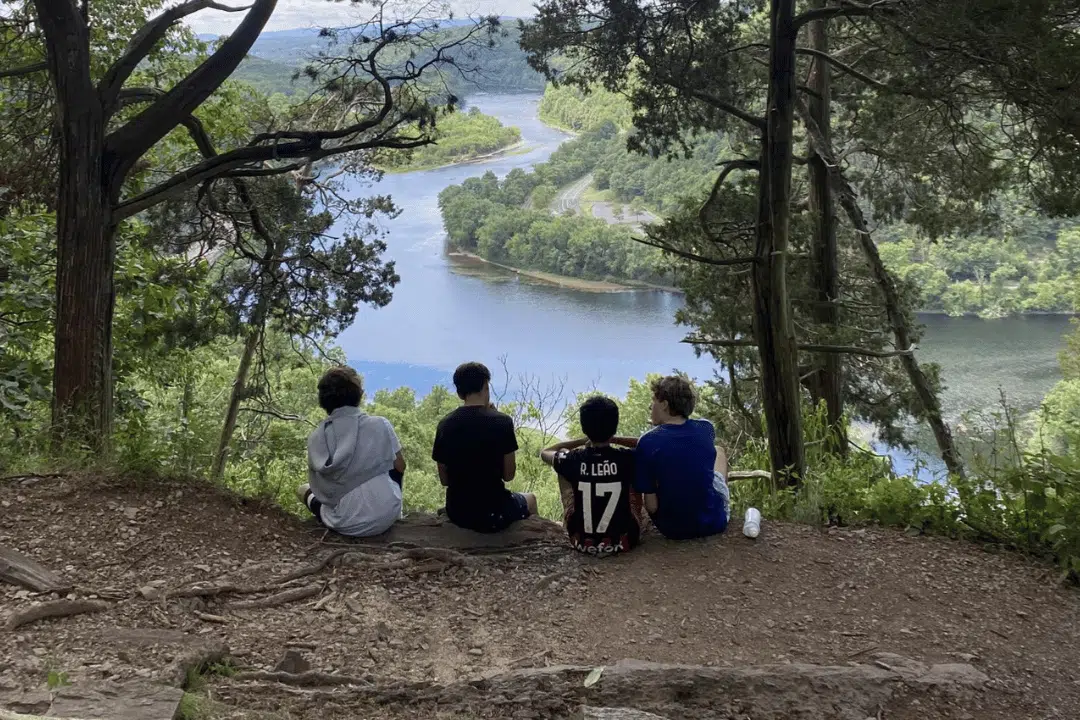
Sleepaway camp is not simply a summer activity. For many families, it represents a milestone in childhood development. Understanding why parents choose sleepaway camp can help clarify whether it aligns with a child’s emotional, social, and developmental needs.
This article explores the reasons families consider sleepaway camp, the benefits children often gain, common parental concerns, and what long-term experience and research suggest about its impact.
What Is a Sleepaway Camp?
A sleepaway camp is a structured program where children live on-site for a set period, often ranging from one to several weeks. Unlike day programs, campers stay overnight in cabins or dorm-style housing and follow a daily schedule that includes activities, meals, rest, and group responsibilities.
Sleepaway camps vary widely in focus. Some emphasize outdoor adventure, others focus on sports, arts, academics, or leadership development. Despite these differences, most share a common goal: helping children grow through independence, community living, and experiential learning.
Why Parents Choose Sleepaway Camp
Parents send their children to sleepaway camp for many reasons, but most motivations connect back to personal growth rather than entertainment alone.
Independence and Self-Reliance
One of the most common reasons parents choose sleepaway camp is the opportunity for children to practice independence in a supportive environment. Being responsible for personal belongings, following schedules, and making daily decisions without parental oversight helps children build confidence in their own abilities.
These small acts of independence often translate into stronger self-reliance at home and school.
Confidence Through New Experiences
Trying unfamiliar activities, whether learning a new sport, performing on stage, or navigating outdoor challenges can help children develop confidence. Camp environments encourage participation without academic pressure, allowing children to discover strengths they may not realize they have.
Success at camp often comes from effort and teamwork rather than competition, which can be especially beneficial for children who struggle with confidence in other settings.
Social Development and Peer Relationships

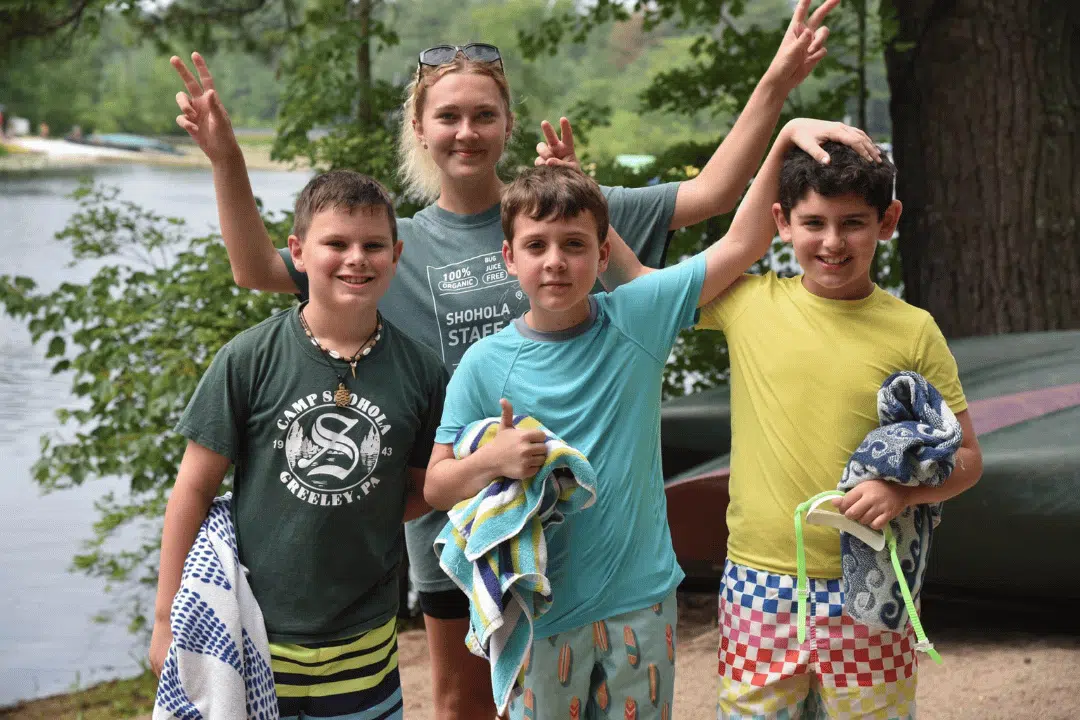
Sleepaway camp places children in a shared living environment with peers from different backgrounds. This creates natural opportunities to develop communication skills, empathy, and cooperation.
Living, playing, and problem-solving together helps children learn how to form friendships, resolve conflicts, and contribute to a group skills that extend far beyond summer.
Time Away From Screens
Many parents are drawn to sleepaway camp because it offers a structured break from constant screen use. Camp activities prioritize physical movement, creativity, and face-to-face interaction.
This screen-free environment can help children reconnect with nature, focus on the present moment, and develop healthier habits around technology use.
Common Concerns Parents Have About Sleepaway Camp
Despite the benefits, it’s normal for parents to hesitate. Understanding common concerns can help families approach the decision with clarity and confidence.
Homesickness
Homesickness is often the first concern parents mention. While it can occur, experienced camps are designed to support children emotionally as they adjust. Many children move through initial homesickness and emerge with greater emotional resilience and coping skills.
Safety and Supervision
Safety is a top priority for families considering sleepaway camp. Parents often look for programs with trained staff, clear supervision structures, and established safety protocols. Accreditation, staff training, and transparent policies play a key role in helping families feel secure.
Emotional Readiness
Every child develops at a different pace. Some parents worry whether their child is emotionally prepared to spend time away from home. Evaluating maturity, adaptability, and comfort with new environments can help families determine the right timing.
Being Away From Family
Separation can feel challenging for both children and parents. However, short-term separation in a structured environment often strengthens family relationships by fostering independence and appreciation on both sides.
What Research and Experience Show
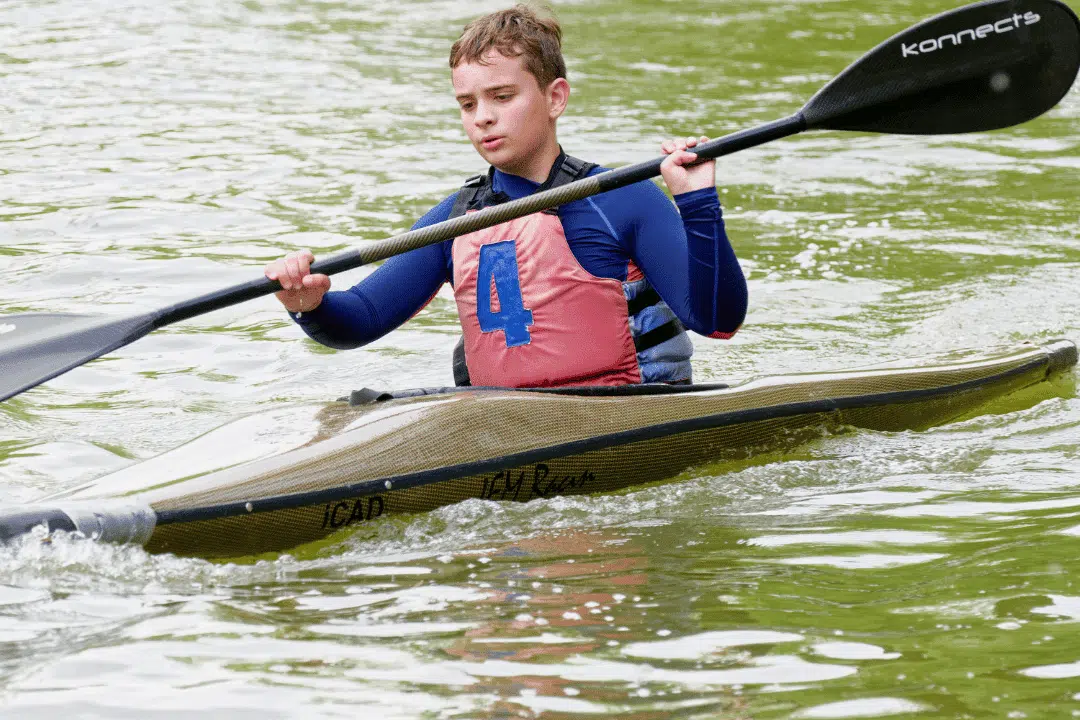
Decades of experience and research in youth development suggest that well-structured camp environments can have lasting positive effects.
Studies and long-term observations indicate that children who attend sleepaway camp often show improvements in:
- Social skills and empathy
- Emotional resilience
- Problem-solving abilities
- Leadership and teamwork
- Self-confidence and independence
These benefits tend to persist beyond the camp experience, influencing how children approach school, friendships, and challenges later in life.
Types of Sleepaway Camps
Parents considering sleepaway camp will find a wide range of program types designed to match different interests and learning styles.
Sports-Focused Camps
These camps center on skill development, teamwork, and physical conditioning. Programs may focus on a single sport or offer a variety of athletic options.
Arts and Creative Camps
Arts-focused camps allow children to explore creativity through visual arts, music, theater, dance, or writing. These environments often emphasize self-expression and collaboration.
Academic and Enrichment Camps
Academic camps blend learning with hands-on experiences. Subjects may include science, technology, language, or leadership development.
Outdoor and Adventure Camps
Adventure camps emphasize nature-based activities such as hiking, camping, canoeing, and environmental education. These programs often focus on resilience, adaptability, and teamwork.
How Parents Evaluate Sleepaway Camps

Rather than choosing based on rankings or location alone, many parents focus on alignment with their child’s needs and values.
Key factors parents often consider include:
- Program philosophy and structure
- Staff experience and supervision
- Safety standards and accreditation
- Balance between structure and free choice
- Community culture and values
Families often find it helpful to compare multiple programs and understand how each approaches child development and supervision.
Real-World Examples of Long-Running Camps
Across the country, long-established camps demonstrate how these principles are applied in practice. Camps like Camp Shohola for Boys, which has operated for decades, reflect many of the developmental values parents seek: programming, community living, and age-appropriate independence without being defined solely by geography or amenities.
These examples help illustrate how sleepaway camp philosophies translate into real-world experiences for children.
Supporting the Decision as a Family
Choosing sleepaway camp is rarely a quick decision. Many families involve children in conversations about expectations, concerns, and goals. Talking openly about what camp will be like and what it won’t help children feel more prepared and supported.
Parents exploring sleepaway camp often benefit from reviewing how programs operate, how staff support campers emotionally, and how daily routines encourage growth and independence.
Those interested in learning more may find it helpful to:
Approaching the decision with education and clarity allows families to determine whether sleepaway camp fits their child’s unique needs and stage of development.